

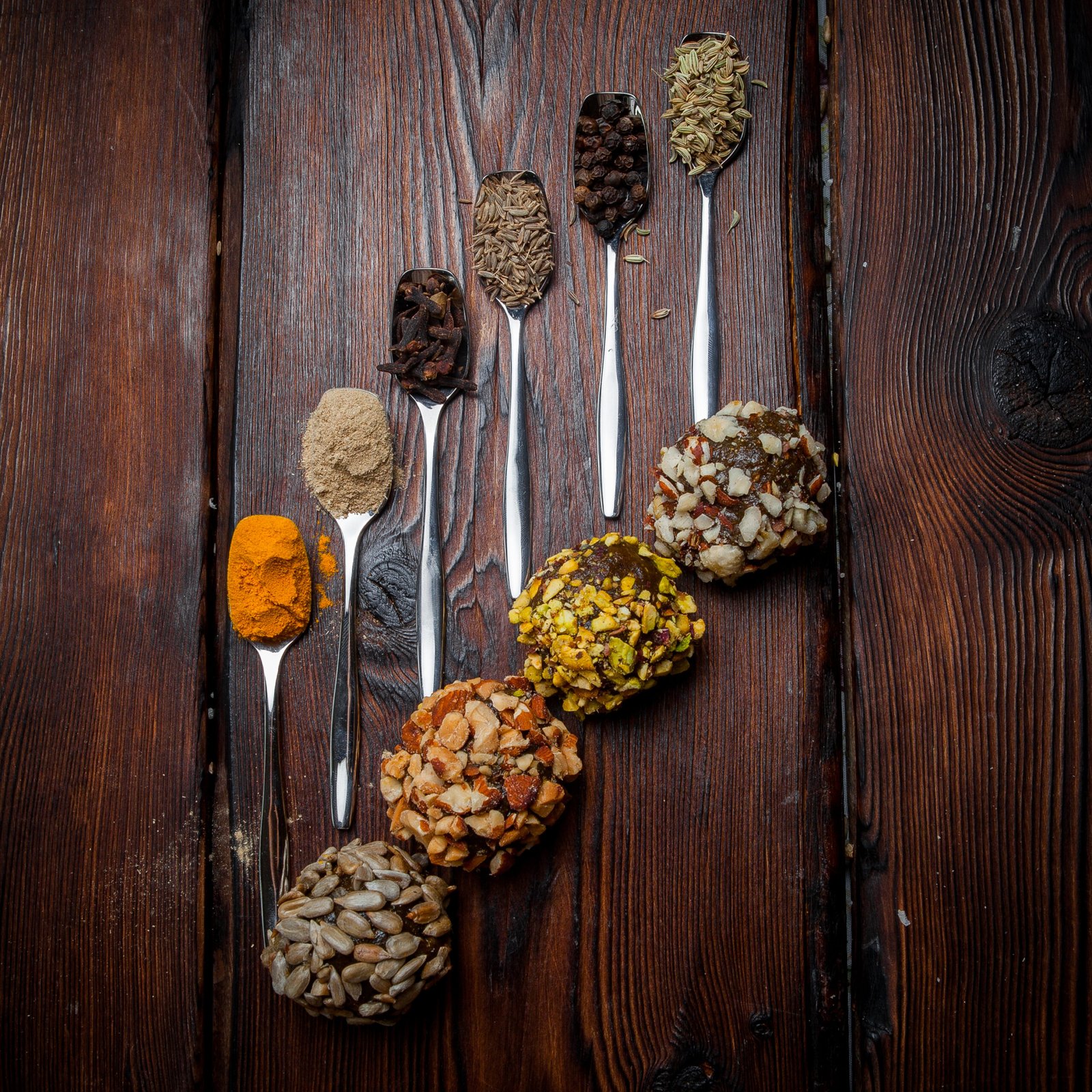
The Science of Flavors in Confectionery: The Art of Choosing the Perfect Dessert Combination
Confectionery is not merely a sweet taste that pleases the senses; rather, it is a complex interaction between taste, texture, aroma, and color. Behind every perfect bite lies extensive expertise and precise experimentation, relying on the science of flavors—the discipline that empowers a chef to transform simple ingredients into an unforgettable, integrated sensory experience.
1. Understanding the Science of Flavors: More Than Just Sweetness
The science of flavors goes beyond choosing sweet ingredients; it is the study of balancing basic tastes and how they interact with the senses:
-
-
-
Sweet: Refers to natural sugar or rich ingredients like honey and concentrated syrups.
-
Salty: Enhances the flavor of nuts or caramel and balances excessive sweetness.
-
Sour: Adds freshness and relieves the heaviness of sugar, as seen in lemon juice or citrus fruits.
-
Bitter: Imparts depth and complexity, such as dark chocolate or coffee.
-
Umami: Rare in desserts, but appears in certain roasted nuts or fermented caramel, adding a sense of richness to the taste.
-
-
These five tastes are not separate; rather, they interact with one another to create an integrated experience for the tongue and nose, making the dessert memorable.
2. Balancing Tastes: The Secret to the Perfect Blend
Choosing the perfect dessert combination requires both scientific and artistic skill. The professional chef studies:
-
-
-
Sensory Balance: Combining sweet and sour, or bitter and sweet, to achieve a balanced feeling on the tongue.
-
Texture and Mouthfeel: Mixing different textures (crunchy, creamy, soft) to increase sensory contrast and enrich the experience.
-
Aroma: Complementary aromas (such as vanilla, orange blossom water, cinnamon) directly affect taste perception and heighten the feeling of luxury.
-
Gradual Intensity: Introducing flavors progressively; a touch of salt or citrus can highlight other ingredients without overpowering the main taste.
-
-
3. Psychological Role and Taste Memory
The science of flavors does not stop at the senses; research confirms that taste is directly linked to memory and emotion. Familiar flavors, such as pistachio or orange blossom water, evoke memories, while novel flavors create a unique and distinctive experience. Therefore, the successful chef balances the traditional and the modern to create a lasting impression on the taster.
Conclusion: Choosing the perfect dessert combination is both a science and an art. At Al-Sultan Academy, trainees do not just learn dessert recipes; they learn to understand the interplay between flavors, ingredients, textures, and aromas, and how to create an integrated sensory experience that leaves a lasting impact on the taster’s mind.
In short, confectionery is the language of flavors, and its science is the key to innovating an unforgettable bite.